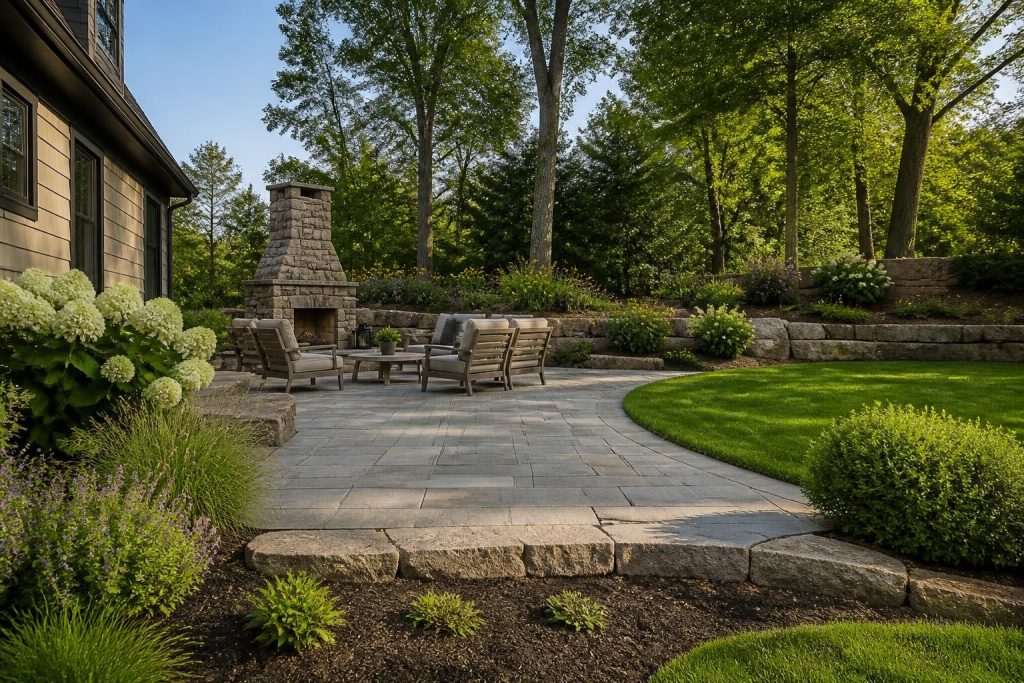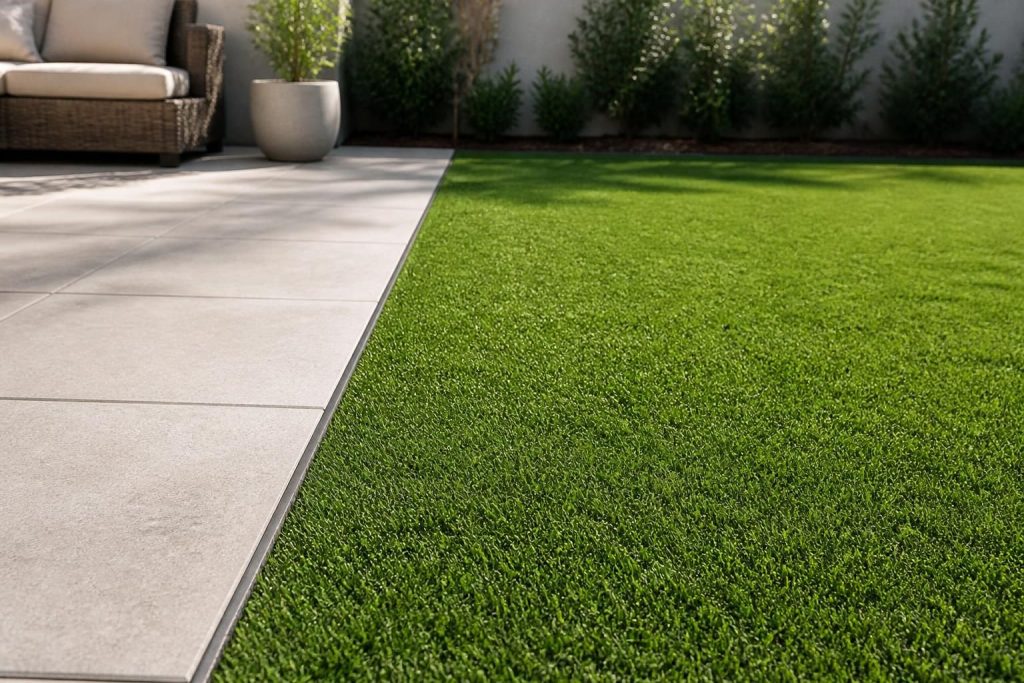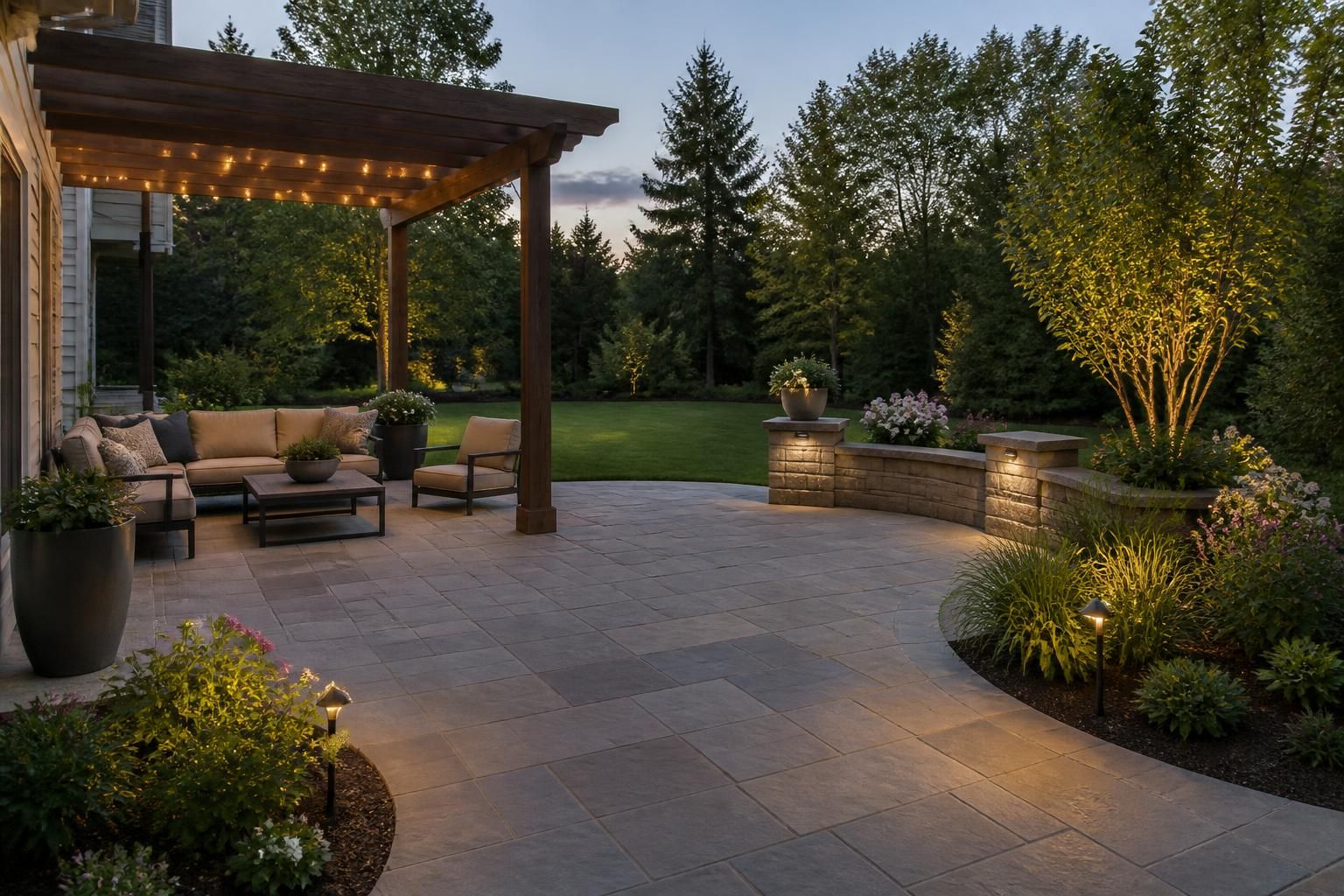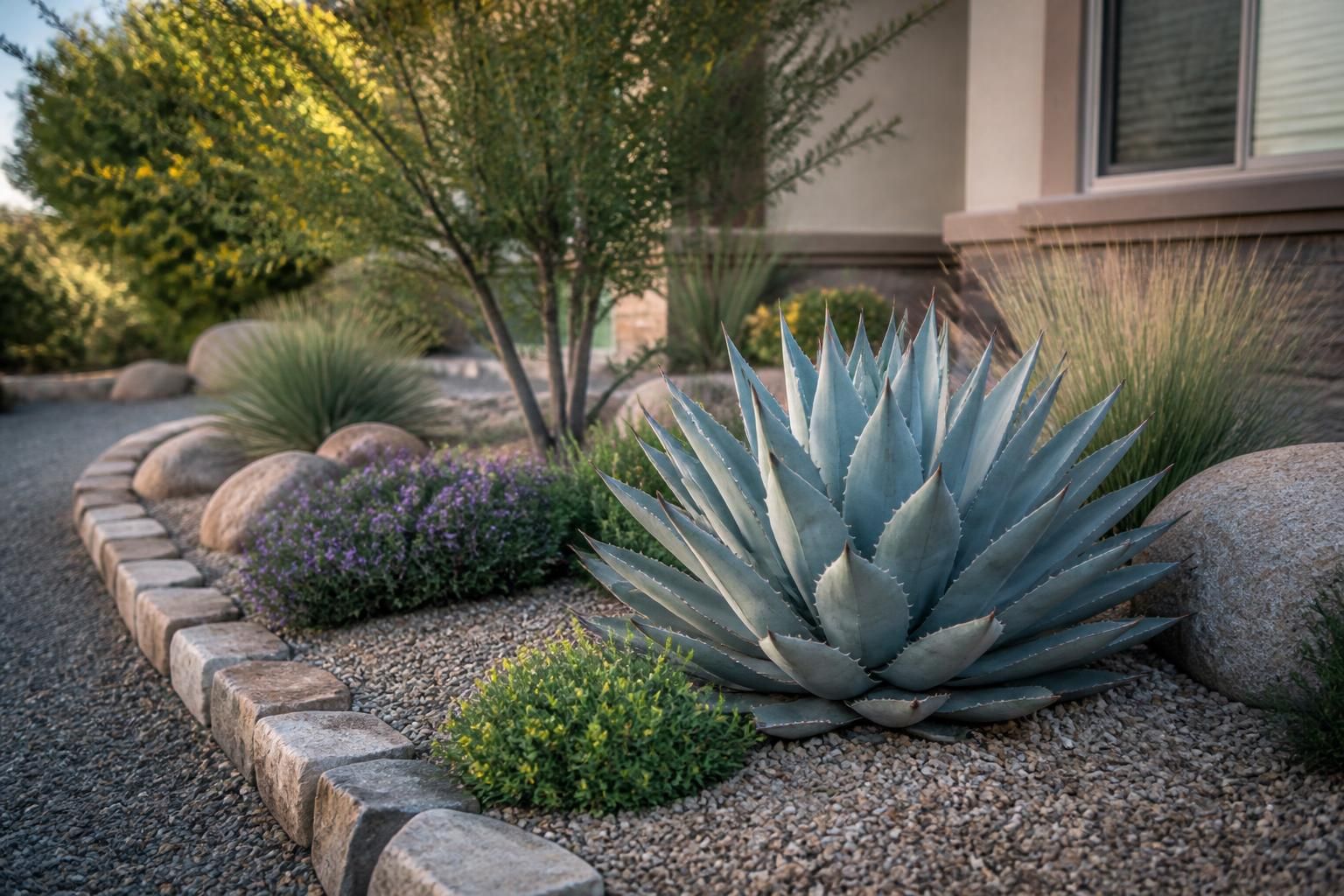
Xeriscaping is intentional low-water landscape design, not a rule that every yard should become gravel. A useful plan starts with what you want to do outdoors, then fits the layout and planting to the actual conditions of your property. In Boerne and San Antonio, that means planning for the sun, shade, soil, and water needs you observe at your site rather than assuming every Hill Country yard is alike.
Start with the way you use the yard
Before choosing materials, list the activities the landscape should support. Do you want a small open area for play, a comfortable place to sit, a clear route between the door and driveway, or a lower-water planted border? Those answers help decide which parts should remain lawn and which can become paths, seating, planting, or patio space.
Walk the property at different times of day. Note where sun and shade fall, where people already walk, and where you want privacy or a view. When considering plants, ask how large they may become and whether their mature size will fit beside paths, windows, walls, and utility access.
Keep lawn where it has a job
A practical xeriscape can include turf. Mark the lawn areas that serve a real purpose, such as a play or gathering space, and compare them with narrow strips or corners that are rarely used. Retaining a defined, useful lawn area can make the rest of the design easier to organize without making the whole yard depend on one surface.
Next, sketch the routes people need. Draw paths from the house to gates, parking, seating, and other destinations. Add a sitting area where it feels useful, then show planting zones and any patio connection. A simple sketch helps reveal whether a proposed bed blocks a route or whether a large uninterrupted surface needs a softer edge.
Match planting and watering zones to the site
Choose plants for their actual growing conditions, including sun exposure, shade, and available space. Grouping plants with similar water needs makes an irrigation plan easier to manage. Turf, new plantings, and established beds may need different approaches, so ask how each area will be watered and what establishment watering is expected for new plants.
Soil condition, mulch, and maintenance belong in the plan too. Ask whether soil preparation is appropriate for the specific site, what mulch or surface finish suits each bed, and what ongoing tasks the design will require. A low-water goal does not mean no maintenance; pruning, weeding, and occasional adjustments remain part of caring for a landscape.
Questions to bring to a consultation
- Which parts of the yard should remain lawn for everyday use?
- Where do sun, shade, traffic, and existing drainage patterns affect the layout?
- How will paths, planting beds, and a patio meet at their edges?
- Which areas have similar watering needs, and how will new planting be established?
- What maintenance should I plan for after installation?
A staged planning checklist
- List must-have activities and the areas that support them.
- Sketch paths, seating, useful lawn, planted zones, and patio connections.
- Record site observations, including sun and shade at different times.
- Ask for a written scope that identifies preparation, materials, irrigation, and maintenance expectations.
- If the project is phased, confirm how the first stage will connect to later work.
Explore xeriscaping services and landscape design as you shape your ideas. To discuss your property and request an estimate, share your project details.